Upcoming Entries

I'll think of more.
Showing posts with label Global Issuses. Show all posts

Friday, July 2, 2010

Sena Sahayok - My Visit To A School For Children With Special Needs

By a strange twist of fate I got to talking with an uncle at the Mukeh Bhaat ceremony I had attended. He told me that he was the principal of Sena Sahayok School, a school for children with special needs run by the Bangladeshi army. I asked him how he got involved in special education. He then introduced me to his son who was diagnosed with autism and goes to the school. The school's motto is, "Special Child Special Right." That right being an education. He invited me to the school for a tour and to meet the children. I didn't think this chance encounter was mere coincidence so I said, yes.

The school is in the Dhaka cantonment. The cantonment is "Dhaka-lite;" there's less noise, rickshaws, people, and more structure and organization. People obey the traffic laws! The building itself is big and modern. Inside there is an administrative wing, classrooms, a physiotherapy room, speech and language therapy room, and a music and dance room, etc. The staff consists of a clinical psychologist, a speech language therapist, an occupational therapist, teachers, etc. To prepare its students for life after school and adult life in general, students learn a trade or skill and things like self care and cooking.

A student threw a tantrum in one of the classrooms I visited. Three teachers stood around him, dumbfounded. The teachers had no idea what to do. The principal talked to me after and said the biggest problem with his school is not a shortage of teachers, but the training they received, which is basically no training. The teachers become easily confused and frustrated in certain situations. This school needs someone to give them the proper training so they can meet each child's needs.

If you are reading this, please share this post with someone you know in special education (professors, teachers) willing to train teachers for a summer or more in Bangladesh at Sena Sahayok School.

The principal is fluent in English.
For more information, contact:
Email: ssbdarmy@yahoo.com

Physiotherapy Room - Filming was going on in there for a documentary.

Many of the students have social impairments. Notice this child has trouble making eye contact.

Speaking to the principal and teacher.

I came during lunch time.

What are you eating?


I noticed this board on my way out.

It had the pictures, names, and basic information of each child.

Talking to the kids.


The principal talking to one of the kids.

The principal. He loves the kids and knows them all by name.

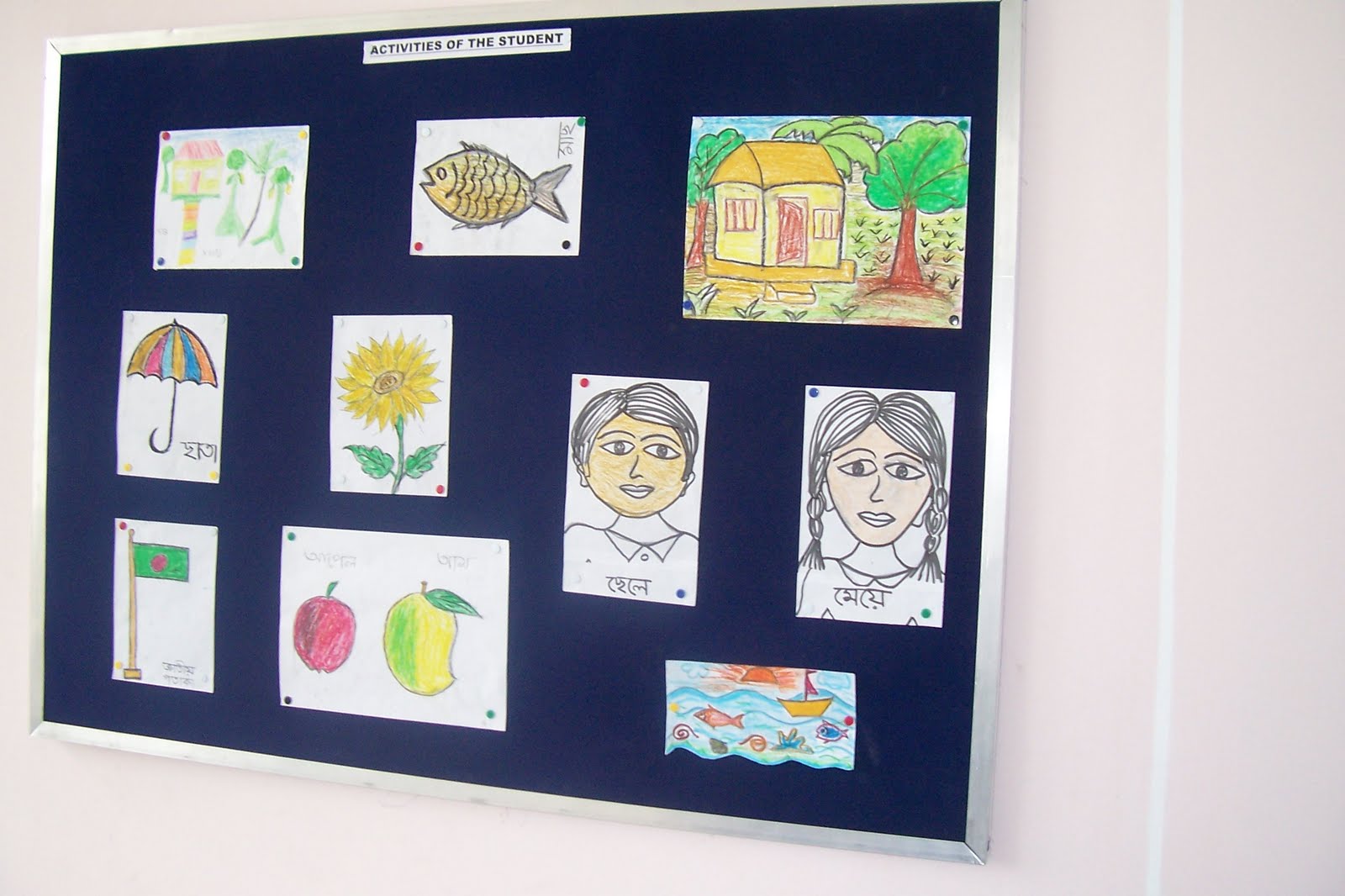
Artwork done by the students.

Learning games.

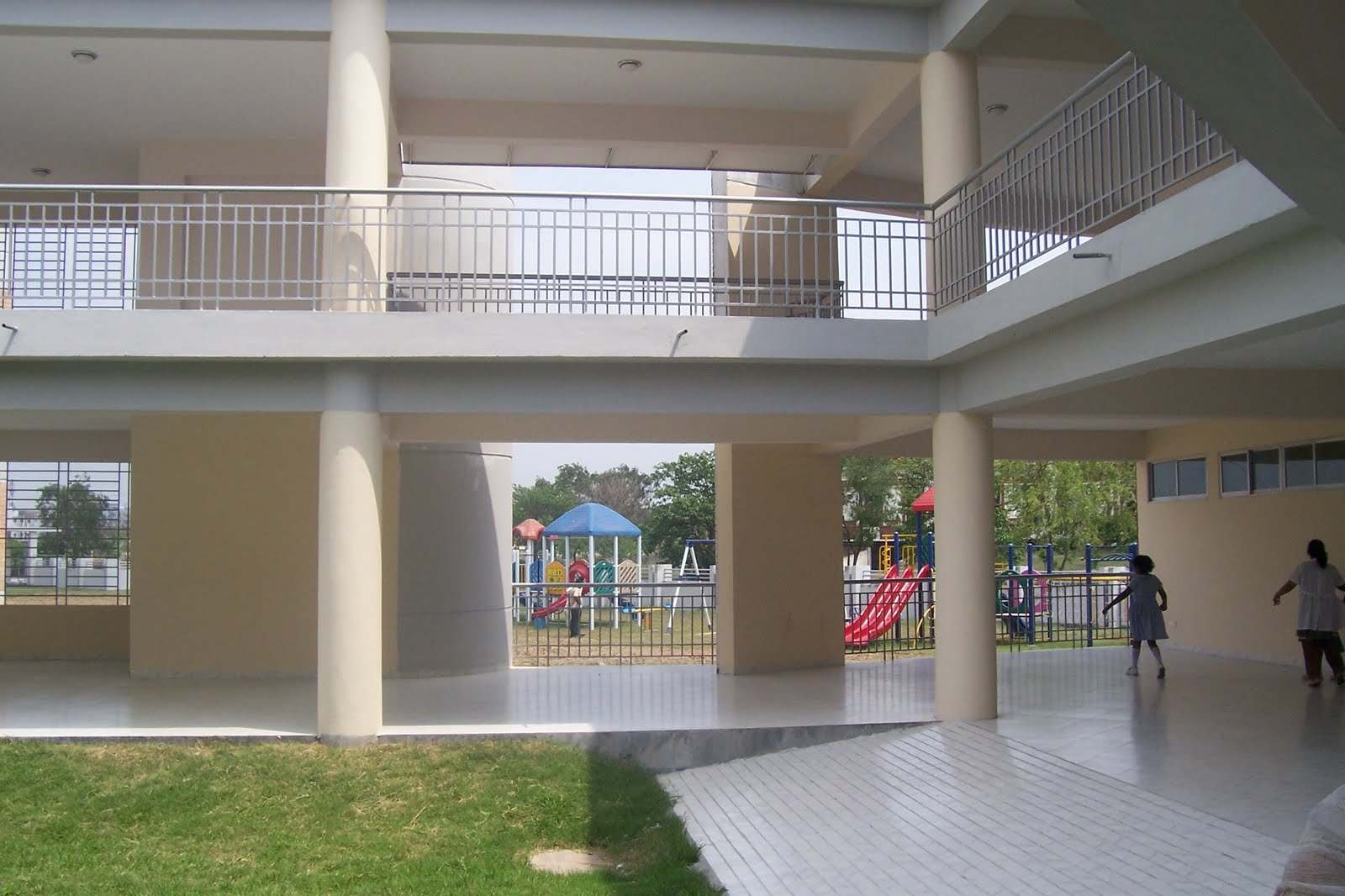
The outside. As you can see it's wheelchair accessible.


There are about nine students in a class with about three teachers to each classroom.


There's no shortage of teachers, but training is needed.

The music and dance room. Traditional bengali musical instruments. Above was a mural of Happy Feet.

Large dance floor.

A cooking class where the children were learning to cook ruthi (bread).

Reinforcement through encouraging words and applause.

Special Olympic Winner.

The right side of the playground.

The left side of the playground.

A third world country like Bangladesh should be commended for establishing such a wonderful school.

Saturday, June 5, 2010

Stop and Go - Load Shedding/Rolling Blackout

We all experienced the inconvenient loss of power at one point or another, but can you imagine it happening one or two hours, three/four times a day? If you travel to Bangladesh you'll put up with load shedding/rolling blackouts, deliberate power outages that occur because in simple economical terms, demand exceeds supply. Most homes have IPS (Instant Power Supply) a rechargeable power source that supplies enough power to keep the lights on during a blackout.

For me, the worst part about these blackouts was not being able to have the fan on. My best buddy, the internet, became my elusive enemy. I only had enough time to check my school and personal email accounts before I loss connection. I didn't bother watching TV because by the time I got engrossed in what I was watching the television would shut off like it was teasing me. Work, school, entertainment, life in general centers around this stop and go electricity.

Saturday, May 29, 2010

Roads of Anarchy - Driving In Bangladesh

Traffic in Bangladesh is horrendous. The roads are packed with people, rickshaws, buses, baby taxis, and cars. Even the most practiced of drivers will find it difficult to navigate the Bangladeshi roads. Local drivers took my parents and I where we needed to go by car. Drivers slam on the brakes every couple of minutes and lay on the horn to encourage other drivers to go faster or move out of the way. This makes for a loud and jerky ride. Avoiding close run-ins with other vehicles can be quite exhilarating though.

In some parts of Bangladesh there are no traffic lights, signs, or lanes. It's complete anarchy. Unbelievably, in the midst of all this chaos; cars, rickshaws, baby taxis, and buses somehow maintain their own law and order. In newer areas there are traffic lights and lanes and traffic cops. What astounded me is that cars would go regardless if the light was green or red. What's the point then? The traffic police seem to understand the futility of their work and do little in the way of policing.

Pedestrians are not granted right of way and accidents are a common occurrence as are hit and runs. Even ambulances are not granted right of way! Perhaps because it's hard enough just going forward. But where's the empathy in that?
Westerners will find driving in Bangladesh is like riding a roller coaster; a mix of fun and thrills and of fear and shock.

Friday, April 16, 2010

Makkah Day II - What Are All These Bangali People Doing Here?

In Makkah I didn't see a single Bengali pilgrim, but I saw hundreds of Bengalis! So what are all these Bengali people doing here? They're foreign workers brought over by the Saudi Kingdom to do low skilled work for minimum wage. The bell boys, room service people, waiters, taxi drivers...Bengalis. The working visas usually expire in two years. In that time, foreign workers have the opportunity to send money back to their families or save up money so that when they return to Bangladesh they have more money than what they left with. Some Saudi employers provide room and board and even an old model car.

It sounds like a good deal, right? The problem with hiring desperate people especially desperate poor people is exploitation. One has to wonder are these ex-pats leaving terrible conditions for better ones? Or is it out of the frying pan and into the fire? Women foreign workers hired as maids are sometimes physically and sexually abused by their employers. In Kuwait, workers protested against low wages and poor working conditions. The Kuwaitis deported over 200 Bengali workers involved in the protest.

From the conversations my parents had with some of these Bengali workers, I found out their primary concern was premature cancellation of their visa due to cutbacks being made on foreign workers. Another concern is their status in the Kingdom. Saudi nationals look down on foreign workers because of the lowly work they do. The irony is that the Saudis don't want to do the work that Bengali workers are hired to do. The unemployment rate in Saudi Arabia is 30%! One of the highest in the world.

Shouldn't a 60 year old Bengali man mopping the floors of the Masjid al-Haram be treated with the same dignity as a Saudi oil tycoon?
I think so.